
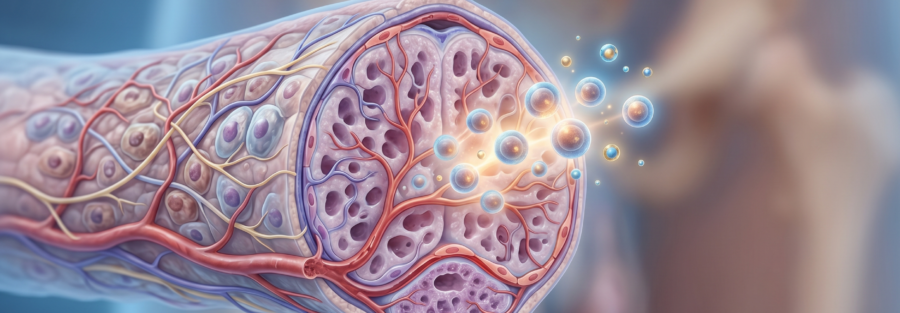
Stem Cell Therapy for Erectile Dysfunction
Erectile dysfunction is defined as the inability to achieve or maintain an erection sufficient for sexual intercourse. This condition may affect not only sexual life but also a man’s self-confidence, partner relationship, and overall quality of life. Today, treatment options for erectile dysfunction may include medication, lifestyle modifications, injection therapies, ESWT, PRP, CGF, and some advanced regenerative approaches. One of the methods that has gained increasing attention in recent years is stem cell therapy.
Stem cell therapy for erectile dysfunction is one of the regenerative medicine approaches that aims to support the vascular, nerve, and tissue structures involved in achieving an erection. However, this treatment may not be suitable for every patient. Therefore, a detailed andrological evaluation before the procedure is of great importance. In the evaluations performed by Dr. Cem İpek at Nişantaşı Androaesthe Andrology Clinic, the underlying cause of erectile dysfunction, the patient’s general health status, and expectations are assessed together to create a personalized treatment plan.
What Causes Erectile Dysfunction?
Erection is a complex process that occurs through the coordinated function of vascular, nerve, hormonal, and psychological factors. When a problem occurs in any of these systems, erection quality may be affected.
A non-drug option that some men trial first is low-intensity shockwave therapy for ED.
The main causes that may lead to erectile dysfunction include:
Cardiovascular diseases, diabetes, hypertension, high cholesterol, smoking, obesity, low testosterone, previous prostate surgeries, pelvic surgeries, certain medications, stress, performance anxiety, and relationship problems may all play a role in erectile dysfunction.
Especially in vascular erectile dysfunction, the problem occurs due to reduced blood flow to the penis. In conditions such as diabetes, both vascular and nerve structures may be affected. Therefore, when creating a treatment plan, it is important to evaluate not only the symptom but also the underlying cause.
What Is Stem Cell Therapy?
Stem cells are special cells that have the potential to transform into different cell types in the body and play a role in tissue repair processes. In the field of regenerative medicine, stem cells are being investigated for supporting damaged tissues, stimulating healing processes, and promoting cellular regeneration.
An office-based option worth mentioning is glans (penis head) filler for premature ejaculation.
In erectile dysfunction, stem cell therapy is considered particularly for supporting vascular and nerve structures. The aim of this approach is not only to provide a temporary erection but also to support the function of the tissues involved in the erection mechanism. However, the effectiveness of stem cell therapy may vary depending on patient selection, the cause of erectile dysfunction, the duration of the condition, and accompanying health problems.
How Does Stem Cell Therapy Work in Erectile Dysfunction?
For a healthy erection to occur, sufficient blood flow must reach the penis, the blood vessels must be able to dilate, nerve conduction must be healthy, and the penile tissues must respond properly to this process.
Anatomical length or girth is a separate procedure — details on our penis enlargement surgery page.
The main goals of stem cell therapy may be summarized as follows:
Supporting cellular regeneration processes in penile tissue, helping improve vascular function, supporting repair mechanisms in cases related to nerve damage, and contributing to regenerative improvement in erection quality.
These effects continue to be investigated through theoretical and clinical research. Therefore, stem cell therapy should not be considered a standard treatment for every patient; it should be planned after a detailed examination and medical evaluation.
Who May Be Considered for Stem Cell Therapy?
Stem cell therapy for erectile dysfunction is not the first treatment option for every patient. First, the cause of the problem should be identified, and the patient’s general health status and response to existing treatments should be evaluated.
Stem cell therapy may be considered in the following patient groups:
Men with vascular erectile dysfunction, patients with diabetes-related erection problems, men who do not benefit sufficiently from conventional medication, patients with mild to moderate erectile dysfunction, some patients who develop erection problems after prostate surgery, and individuals who are considered suitable for regenerative treatments may be evaluated in this regard.
However, in cases of advanced vascular insufficiency, severe nerve damage, uncontrolled diabetes, active infection, bleeding disorders, or serious systemic diseases, the treatment plan should be made more carefully.
What Evaluations Are Performed Before Treatment?
Before stem cell therapy or similar regenerative applications, the patient should be evaluated in detail. This is because procedures performed without correctly identifying the cause of erectile dysfunction may not provide the expected result.
Before medication, some men trial lifestyle changes — see natural remedies for erectile dysfunction.
During the evaluation process, the patient’s medical history is taken, current medications are reviewed, and factors such as diabetes, blood pressure, cholesterol, and hormonal status are assessed. When necessary, blood tests, hormone tests, penile Doppler ultrasonography, and examinations aimed at evaluating vascular structure may be planned.
At Nişantaşı Androaesthe Andrology Clinic, the purpose of andrological evaluation is not only to apply a treatment but also to identify the source of erectile dysfunction and create the most appropriate treatment roadmap.
How Is Stem Cell Therapy Applied?
The application method of stem cell therapy for erectile dysfunction may vary depending on the technique used, the source of the cellular material, and the patient’s clinical condition. In some applications, cellular content obtained from the patient’s own tissues may be prepared and applied according to specific protocols.
If a diagnosis is missing, start with the 12 medical causes of erectile dysfunction.
The procedure is generally performed in a clinical setting, under sterile conditions, and under the supervision of a specialist physician. Before the procedure, the patient is informed, eligibility assessment is completed, and the necessary preparations are made. After the application, the patient is followed up at regular intervals. A follow-up period of several weeks or several months may be required to evaluate the results.
One of the most important points in the treatment process is that the patient should have realistic expectations. Stem cell therapy does not produce the same result in every patient. While some patients may experience a noticeable improvement in erection quality, others may require additional treatments.
Can Stem Cell Therapy Be Combined with ESWT, PRP, and CGF?
In erectile dysfunction, regenerative treatments are often considered not only as stand-alone methods but also within a combined treatment approach according to the patient’s needs. ESWT, PRP, CGF, and stem cell-based applications aim to support tissue healing through different mechanisms.
Not every man can safely take PDE5 tablets — see Viagra side effects and who should never take it.
ESWT is a low-intensity shock wave therapy that aims to support vascular structure. PRP and CGF aim to support tissue repair processes through growth factors obtained from the patient’s own blood. Stem cell therapy, on the other hand, is one of the advanced options being investigated due to its broader regenerative potential. Another regenerative option that may be evaluated in selected patients is exosome therapy.
Whether a method should be used alone or in combination should be determined according to the patient’s examination findings, vascular structure, the cause of erectile dysfunction, and previous treatments received.
Is Stem Cell Therapy a Definitive Solution?
One of the most frequently asked questions about stem cell therapy for erectile dysfunction is whether this method provides a definitive solution. A careful and scientific approach is required in this regard.
Although stem cell therapy is a promising regenerative approach, it should not be considered a standard treatment that provides guaranteed results for every patient. The success of the treatment depends on many factors such as the patient’s age, vascular health, presence of diabetes, hormonal status, duration of erectile dysfunction, smoking habits, and overall lifestyle.
Therefore, statements such as “definitive solution in one session” or “permanent results in every patient” are not medically accurate. The most appropriate approach is to evaluate the patient in detail and create a personalized treatment plan.
What Should Be Considered After Treatment?
After stem cell therapy or other regenerative applications, the patient’s lifestyle habits may affect the success of treatment. Quitting smoking, exercising regularly, maintaining weight control, regulating diabetes and blood pressure, eating a healthy diet, and maintaining a proper sleep pattern may have a positive effect on erection quality.
For international pricing, read penile implant cost in Turkey.
In addition, follow-up appointments with the physician should not be neglected. In some patients, results may appear gradually. Therefore, regular follow-up of the process and planning additional treatments when necessary are important.
Personalized Approach with Dr. Cem İpek at Nişantaşı Androaesthe Andrology Clinic
Erectile dysfunction does not occur for the same reason in every man. Therefore, instead of a standard approach, a personalized evaluation should be performed during the treatment process. Dr. Cem İpek offers a personalized approach at Nişantaşı Androaesthe Andrology Clinic for patients experiencing erectile dysfunction, including andrological evaluation, diagnostic planning, and determination of treatment options.
A device-by-device breakdown is in our inflatable vs malleable penile implant guide.
Stem cell therapy, ESWT, PRP, CGF, medication, and other andrological applications may be evaluated separately or in combination according to the patient’s needs. The aim is to identify the underlying cause of erectile dysfunction and create the most appropriate treatment plan for the patient.
Conclusion
Erectile dysfunction is a common health problem among men, but it is often difficult to talk about. Today, there are many different treatment options available for this condition. Stem cell therapy is one of the modern approaches being investigated in erectile dysfunction with developments in regenerative medicine and may be considered in selected patients.
However, this treatment may not be suitable for every patient and should not be seen as a definitive solution. For the best outcome, the cause of erectile dysfunction should be investigated in detail, the patient’s general health status should be evaluated, and the treatment should be planned individually.
For detailed information about erectile dysfunction and stem cell therapy, you can contact Dr. Cem İpek through Nişantaşı Androaesthe Andrology Clinic and learn more about the personalized evaluation process.
Frequently Asked Questions
Who can receive stem cell therapy for erectile dysfunction?
Stem cell therapy is a regenerative approach that should be considered in suitable patient groups. It may be considered after physician evaluation in cases such as vascular erectile dysfunction, diabetes-related erection problems, or insufficient benefit from conventional treatments.
Is stem cell therapy a definitive solution for erectile dysfunction?
No. Stem cell therapy should not be considered a standard method that provides guaranteed results in every patient. Treatment success may vary depending on the patient’s age, vascular health, diabetes status, hormone levels, and the underlying cause of erectile dysfunction.
Is stem cell therapy a painful procedure?
Although it may vary depending on the application method, the procedure is generally planned with local comfort measures. The patient’s pain threshold, the method to be applied, and the procedure protocol are determining factors in this regard.
How long does it take for stem cell therapy to show its effect?
In regenerative treatments, the effect usually appears gradually over time. Some patients may notice changes within a few weeks, while in others, a few months of follow-up may be required for evaluation.
Can stem cell therapy be performed together with ESWT or PRP?
In some patients, ESWT, PRP, CGF, and stem cell-based approaches may be evaluated in combination. Which method is suitable should be determined according to the patient’s examination findings and the underlying cause of erectile dysfunction.
Medical Disclaimer: This content is for informational purposes only and does not replace professional medical advice, diagnosis, or treatment.


 EN
EN  TR
TR  DE
DE